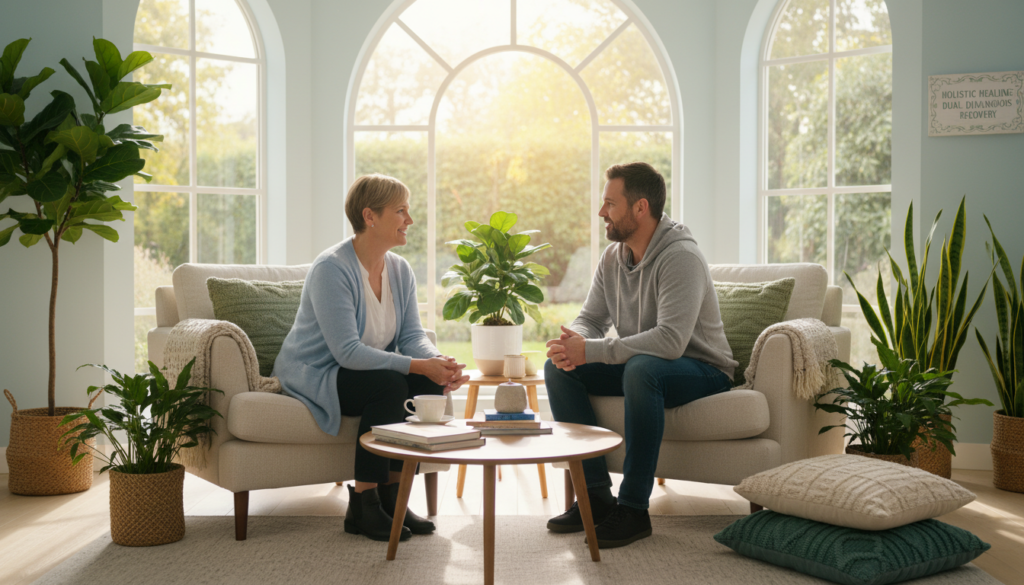

Did you know about 4 out of 10 American adults use complementary and alternative medicine? This growing trend highlights a powerful shift in how we view health and healing. True healing looks at the complete system. Merriam-Webster defines "holistic" as concerned with wholes, not just parts. This means caring for your mind, body, and spirit …
Did you know about 4 out of 10 American adults use complementary and alternative medicine? This growing trend highlights a powerful shift in how we view health and healing.
True healing looks at the complete system. Merriam-Webster defines “holistic” as concerned with wholes, not just parts. This means caring for your mind, body, and spirit together.
A holistic residential treatment program weaves fitness, self-care, and therapeutic outings into daily life. This creates a comprehensive path forward.
You build sustainable habits that support long-term wellness. The goal is to leave with new coping skills and confidence for your daily routine.
This supportive setting provides a safe space, free from everyday stress. Here, you can focus entirely on your personal growth and recovery.
Understanding how these pieces fit together helps you make the best choice. This article explores their practical, real-world benefits.
Ready to learn more? Our friendly admissions team is here to help at (602) 258-0477. Call today to explore your options.
Key Takeaways
- Whole-person recovery addresses your mind, body, and spirit as one interconnected system.
- Integrated programs combine physical fitness, self-care practices, and community outings.
- This approach focuses on building sustainable habits for long-term wellness.
- A supportive residential environment provides a safe space dedicated to healing.
- Learning about these elements empowers you to make informed decisions about care.
- Speaking with an admissions counselor can provide personalized information for your journey.
Understanding Whole-Person Recovery
Imagine trying to fix a car by only looking at the engine, ignoring the tires and electrical system. That’s how single-focus care can feel. Whole-person recovery sees you as a complete, interconnected system.
This perspective means your mental, physical, emotional, and spiritual health are all linked. Healing one area supports growth in others.
What It Means for Mind, Body & Spirit
Your mind influences your body, and your physical state affects your spirit. Chronic stress can cause muscle pain. Low energy can dampen your mood.
In recovery, each element supports the others. Building physical strength boosts mental clarity. Finding inner peace helps manage cravings.
The Importance of an Integrated Approach
A blended approach is more effective. It treats the root causes, not just surface symptoms. This method combines proven medical care with supportive practices like mindfulness.
You build a stronger foundation for lasting wellness. The table below shows the key differences.
| Aspect | Traditional Single-Focus Care | Whole-Person Integrated Care |
|---|---|---|
| Primary Focus | Isolated symptoms or behaviors | The individual as a complete system |
| Methods Used | Often one primary therapy type | Blends medical, therapeutic, and wellness practices |
| Goal | Symptom reduction or management | Sustainable healing and personal growth |
| View of the Individual | A patient with a diagnosis | A person with unique strengths and needs |
| Long-Term Outcome | Risk of relapse in untreated areas | Empowerment and tools for all life areas |
This integrated path helps you understand yourself deeply. It creates meaningful, sustainable change for your life ahead.
Benefits of Holistic Residential Treatment
The core strength of an integrated program lies in its ability to address multiple aspects of well-being simultaneously. This creates a safe, distraction-free space where you can focus entirely on your journey.
Combining Evidence-Based and Alternative Therapies
Blending proven clinical methods with complementary practices offers multiple pathways to healing. For example, cognitive behavioral therapy (CBT) might be augmented with mindfulness techniques.
This dual approach can improve engagement and reduce stress. People often feel more satisfied with their care, which supports completing the program.
Better completion rates are linked to improved long-term outcomes. It provides various angles to address challenges.
Building a Sustainable Recovery Plan
The ultimate goal is to equip you with practical skills for life after the program. You learn healthy habits and coping mechanisms that support long-term wellness.
Personalized plans recognize that recovery is not one-size-fits-all. With 24/7 support, you practice new routines in a structured environment.
This foundation leads to better outcomes and lasting change. You build confidence to maintain progress in daily life.
The Role of Fitness, Self-Care & Outings in Recovery
Building a new, healthy routine helps replace old patterns with positive energy and focus. These daily actions directly support your journey, creating a strong foundation for wellness.
Enhancing Physical Health and Mental Clarity
Regular exercise does wonders for your body and mind. It releases endorphins, your body’s natural mood lifters. This process lowers stress hormones and helps repair past damage.
Better sleep and more energy are common results. This physical renewal sharpens your thinking. You gain mental clarity to focus on your recovery goals.
Simple self-care practices teach you to prioritize your well-being. Developing a compassionate routine is key for long-term success. Fun outings rebuild confidence in social settings, showing that joy exists without substances.
These activities work together. They improve your overall health and quality of life. You learn to cope with challenges in a balanced, positive way.
Integrative Approaches: Yoga, Meditation & More
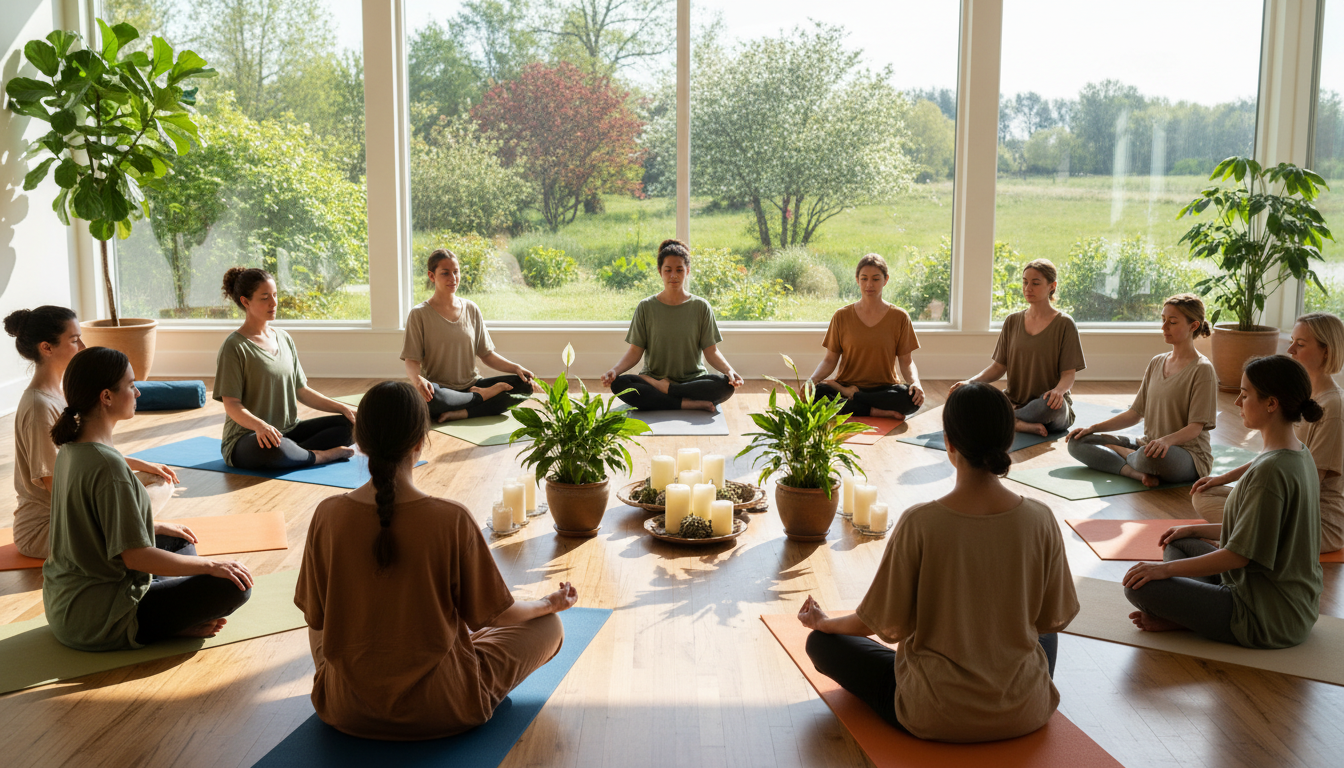
A quiet mind and a strong body form a solid foundation for lasting change. Integrative practices like yoga and meditation are core to this process. They offer practical skills you can use every day.
Utilizing Yoga and Exercise for Wellness
Yoga is a powerful mind-body practice. It combines gentle movement, focused breathing, and mental concentration.
This blend reduces stress and eases anxiety. It also improves flexibility and strength. You learn to listen to your body’s signals.
These skills help manage difficult emotions and cravings. Yoga builds healthy coping strategies for long-term health.
Practicing Meditation and Mindfulness
Meditation teaches you to quiet racing thoughts. The goal is to stay present in the moment without judgment.
Regular mindfulness practice strengthens your brain. It improves impulse control and decision-making.
You gain the ability to respond to challenges in healthier ways. This is a critical skill for maintaining your wellness journey.
These approaches are often combined with other supportive therapies. The table below shows a range of options available in comprehensive holistic treatment.
| Practice | Primary Focus | Key Benefit in Recovery |
|---|---|---|
| Yoga | Mind-Body Connection | Reduces stress, improves emotional regulation |
| Meditation | Mental Quiet & Awareness | Enhances impulse control and present-moment focus |
| Art & Music Therapy | Creative Expression | Provides non-verbal outlets for emotion |
| Breathwork | Nervous System Regulation | Quickly calms the body during anxiety or cravings |
| Nutritional Therapy | Physical Health & Healing | Repairs the body and stabilizes mood |
Together, these practices give you lifelong tools. They support your ongoing mental and physical health long after treatment ends.
Combining Traditional and Complementary Therapies
Modern care for substance use disorders recognizes that healing comes from blending time-tested methods with supportive wellness practices. The most effective addiction treatment programs use this dual approach.
They address the condition from multiple angles. This creates a more complete path to recovery.
Evidence-Based Practices in Residential Programs
Core clinical therapy forms the foundation. These are proven methods backed by scientific research.
- Cognitive Behavioral Therapy (CBT): Helps change negative thought patterns.
- Dialectical Behavior Therapy (DBT): Teaches emotional regulation skills.
- Medication Assisted Treatment (MAT): Uses medicine to ease cravings and withdrawal.
- Individual, group, and family counseling provide crucial support.
This structured treatment program tackles the compulsive cycle of drug and alcohol use.
Incorporating Holistic Addiction Methods
Complementary practices enhance these clinical tools. They address physical symptoms and emotional needs that therapy alone may not reach.
For example, acupuncture can relieve pain. Nutritional therapy repairs the body. These holistic addiction methods treat underlying causes like trauma or stress.
They are powerful complements, not replacements, for evidence-based medicine. Quality programs blend both under professional guidance.
This integrated strategy supports lasting recovery from addiction and substance use disorders.
Choosing the Right Treatment Center for Your Needs
With so many options available, knowing what to look for in a care center helps you find the best fit. This decision shapes your entire recovery journey.
Evaluating Programs and Facility Standards
Start by asking detailed questions. Inquire about the types of therapies offered and how often they are available.
Look for centers with Joint Commission Accreditation. This shows a commitment to high-quality standards and safety.
Consider the staff’s qualifications and the overall atmosphere. A supportive environment is crucial for healing.
Different programs specialize in various needs. Finding one that matches your personal circumstances is key.
Speak to Admissions: (602) 258-0477
The best way to get clear answers is to talk directly with an expert. Our friendly team is ready to listen.
Call (602) 258-0477 to discuss your unique situation. We can explain how our program can be tailored for you.
Taking this step puts you in control of your path forward. Let’s find the right support together.
Applying Whole-Person Strategies to Daily Life
The true test of any wellness journey begins when you step back into your everyday world. This transition is where the skills you’ve learned become your daily tools for a healthier life.
Integrating Recovery Principles into Everyday Routines
Your personal plan for recovery must fit into your regular schedule. Start with small, consistent actions like morning meditation or a short walk.
These habits anchor your day and manage stress. Attending a support group meeting each week provides connection and accountability.
Many people find that mindful eating and scheduled self-care are also key. The table below shows how to adapt your structured program.
| Recovery Principle | In-Program Structure | Home Life Application |
|---|---|---|
| Daily Schedule | Fixed, therapist-led timetable | Personalized routine you create |
| Support System | On-site staff & peers | Built network of friends & groups |
| Wellness Practices | Scheduled sessions | Habits integrated into your day |
| Preventive Care | Part of the program curriculum | Ongoing choice for mental health |
When challenges arise, your comprehensive plan guides you. You’ll know when to reach out for help or adjust your way.
Staying connected to a recovery community is powerful. Alumni programs and peer networks offer ongoing encouragement.
This holistic treatment approach gives people lifelong tools. Sustainable recovery is a person-centered way of life you build every day.
Conclusion
Recovery is a transformative process that empowers people to reclaim their health and happiness. This journey addresses your mind, body, and spirit together, not just surface symptoms.
Combining fitness, self-care, and therapeutic outings with evidence-based addiction treatment creates a powerful, comprehensive program. This integrated approach helps tackle the root causes, like pain, trauma, and anxiety, not just drug or alcohol use.
The methods you learn become lifelong tools for maintaining mental health and wellness. Choosing this path is a courageous step toward lasting change.
If you or a loved one is struggling, take the next step. Our friendly team is ready to guide you. Call (602) 258-0477 today to discuss how a holistic rehab experience can support your journey to a healthier life.
FAQ
What exactly is “whole-person” recovery?
Whole-person recovery focuses on healing you as a complete individual, not just the symptoms of addiction. It addresses your mental, physical, and spiritual well-being simultaneously. This integrated method helps build a stronger, more balanced foundation for a sober life.
How do fitness and outings help with drug and alcohol recovery?
Regular exercise boosts your physical health and releases endorphins, which naturally improve mood and reduce cravings. Structured outings provide healthy social interaction and practice in managing real-world stress, which are key skills for lasting sobriety.
What are some examples of complementary therapies used?
Programs often include practices like yoga, meditation, and mindfulness training. These methods teach valuable skills for managing anxiety, stress, and pain without relying on substances. They work alongside traditional talk therapy for a comprehensive care plan.
How do I know if a center’s program is right for me?
Look for a facility that offers a personalized plan combining proven clinical therapies with wellness activities. It’s important to speak directly with the admissions team to discuss your specific needs, their approach, and what a typical day looks like. You can reach Desert Cove Recovery at (602) 258-0477 for a confidential chat.
Can I really use these strategies in my daily life after rehab?
Absolutely. A major goal of this type of program is to equip you with practical tools for long-term success. You’ll learn routines for self-care, stress management, and physical health that you can integrate directly into your everyday schedule to support ongoing wellness.